


Selling the Scenery: Why Visual Storytelling is the Secret Weapon of Golf Course Marketing
March 17, 2026
Beyond the Fairway: Golf Club Marketing Ideas to Attract the Next Generation of Players
April 1, 2026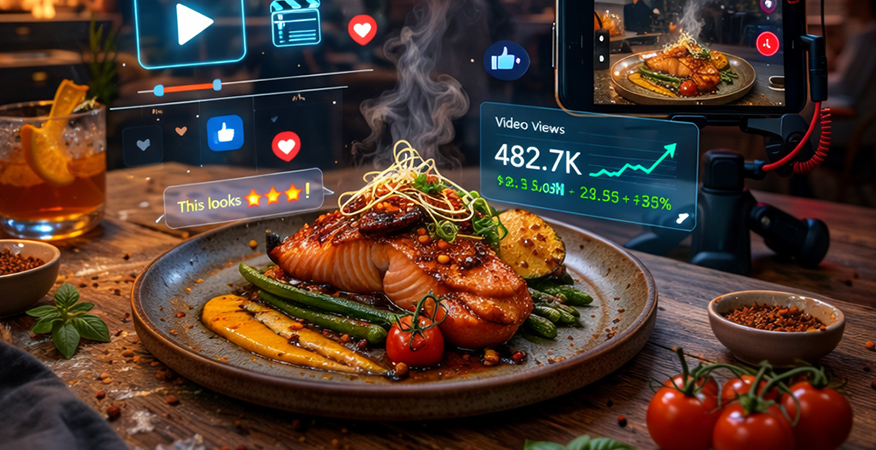
A perfectly plated dish used to be enough to stop the scroll, but today’s diners crave more than just a static image.
In an era where “Instagrammable” is the baseline, potential guests are looking for the sizzle of the grill, the steam rising from a fresh pasta bowl, and the true energy of your dining room. Static photos have lost their edge against the immersive experience of motion, leaving many brands struggling to stay relevant in a crowded feed.
To cut through the noise, savvy owners are shifting toward dynamic, short-form storytelling that captures the pulse of the kitchen. Embracing video as a core pillar of digital marketing for restaurants allows you to build a bridge between a digital screen and a physical craving. By showcasing the raw authenticity behind the scenes, you can outshine the competition and turn casual viewers into confirmed reservations before they even see a menu.
Why does video matter in today’s dining market?
The “front door” of your restaurant is no longer just your physical entrance or even your website; it’s the discovery feed on TikTok, Instagram Reels, and YouTube Shorts. For modern diners, these platforms have replaced traditional search engines as the primary way to find new places to eat. This shift has occurred because video bridges the sensory gap that a static image simply can’t; it allows a potential guest to “experience” the atmosphere, hear the ambient music, and see the texture of the food before they ever step inside.
This immersive nature of video is a powerful driver for decision-making. While a photo shows what a dish looks like, a video shows how it feels to be there. Research shows that 74% of diners now use social media to decide where to eat, and the majority of those decisions are driven by the visual “vibe” and authenticity that only movement and sound can provide. When a diner can see your staff in action or watch a signature cocktail being poured, the psychological barrier to trying a new place disappears, replaced by a tangible craving for the experience they’ve just witnessed.
What does video-first marketing really mean for restaurants?
Moving beyond the “glossy” commercial
Gone are the days when a restaurant needed a massive production budget to create a television-style commercial. In fact, overly polished and “glossy” ads often feel impersonal and corporate to the modern diner. Today’s most effective digital marketing for restaurants leans into “lo-fi” authenticity. This means raw, handheld footage that feels like it was filmed by a friend or a passionate regular. When content feels relatable and real, it builds a sense of accessibility that expensive, staged productions simply can’t match.
Video as a strategic trust-builder
Beyond just looking “cool,” video serves as a powerful tool for humanizing your brand. By showing the people behind the plates, the prep cooks, the servers, and the owners, you’re building a relationship with your audience before they even sit down. It creates an emotional “vibe” that a standard menu description could never convey. Whether it’s the sound of a bustling dining room or a quick greeting from the head chef, integrating this movement into your digital marketing for restaurants ensures a consistent, trustworthy brand voice across every platform, from your Instagram grid to your official website.
What video strategies are top-performing restaurants using today?
Successful eateries are winning by pulling back the curtain through behind-the-scenes content and “day in the life” segments. By showcasing the morning kitchen prep or introducing the friendly faces of the service staff, you give your community a reason to feel connected to your brand before they ever walk in. Sharing secret ingredients or “meet the chef” clips helps to humanize the business and turns a simple meal into a personal story that people want to be part of.
Sensory appeal is another massive trend that bridges the gap between the screen and the stomach. Many brands are now using ASMR and soundscapes to trigger a physical response in their viewers. The sharp sizzle of a steak hitting a hot grill or the crisp sound of a cocktail being poured creates a powerful “crave-worthy” effect. When you combine these visceral sounds with educational snippets like quick wine pairing tutorials or simple recipe tips, you provide genuine value that keeps your audience engaged and hungry for more.
Finally, leveraging user-generated content is a brilliant way to build social proof without doing all the heavy lifting yourself. Encouraging diners to film their own experiences and then reposting those authentic moments creates a digital word-of-mouth effect that is incredibly persuasive. This organic approach is a cornerstone of modern digital marketing for restaurants because it proves that real people are enjoying your food in real time. By blending your own polished “how-to” videos with the raw excitement of your customers, you create a well-rounded and trustworthy online presence.
How video in digital marketing for restaurants drives real business growth
Incorporating movement into your online presence does more than just look good; it actively removes the “fear of the unknown” for new guests. By allowing potential diners to step into your space through their screens virtually, you significantly lower the barrier to entry and increase click-through rates on local search listings. This immersive approach also acts as a powerful engine for your paid advertising services, as video assets consistently generate higher engagement and lower costs per click compared to static imagery.
Beyond social media engagement, a video-first strategy serves as a direct line to your most profitable customers. High-quality, engaging content on your own website encourages guests to book directly with you rather than relying on high-commission third-party delivery apps. This shift transforms a simple list of customers into a dedicated fanbase that feels a personal connection to your brand. By prioritizing these authentic visual stories, you build long-term loyalty and a sustainable business model that thrives on direct, meaningful connections.
Frequently Asked Questions
Below are some commonly asked questions to consider:
Does restaurant video content require professional camera equipment?
Not necessarily; high-end smartphones often produce more “authentic” and engaging content for social media than traditional cinema cameras.
How long should a typical restaurant marketing video be?
For social discovery, 7–15 seconds is the sweet spot, while “About Us” videos for websites can run 60–90 seconds.
Is video effective for casual dining or just fine dining establishments?
Video is arguably more effective for casual spots, as it can showcase the high-energy atmosphere and “crave-worthy” comfort food that drives spontaneous visits.